
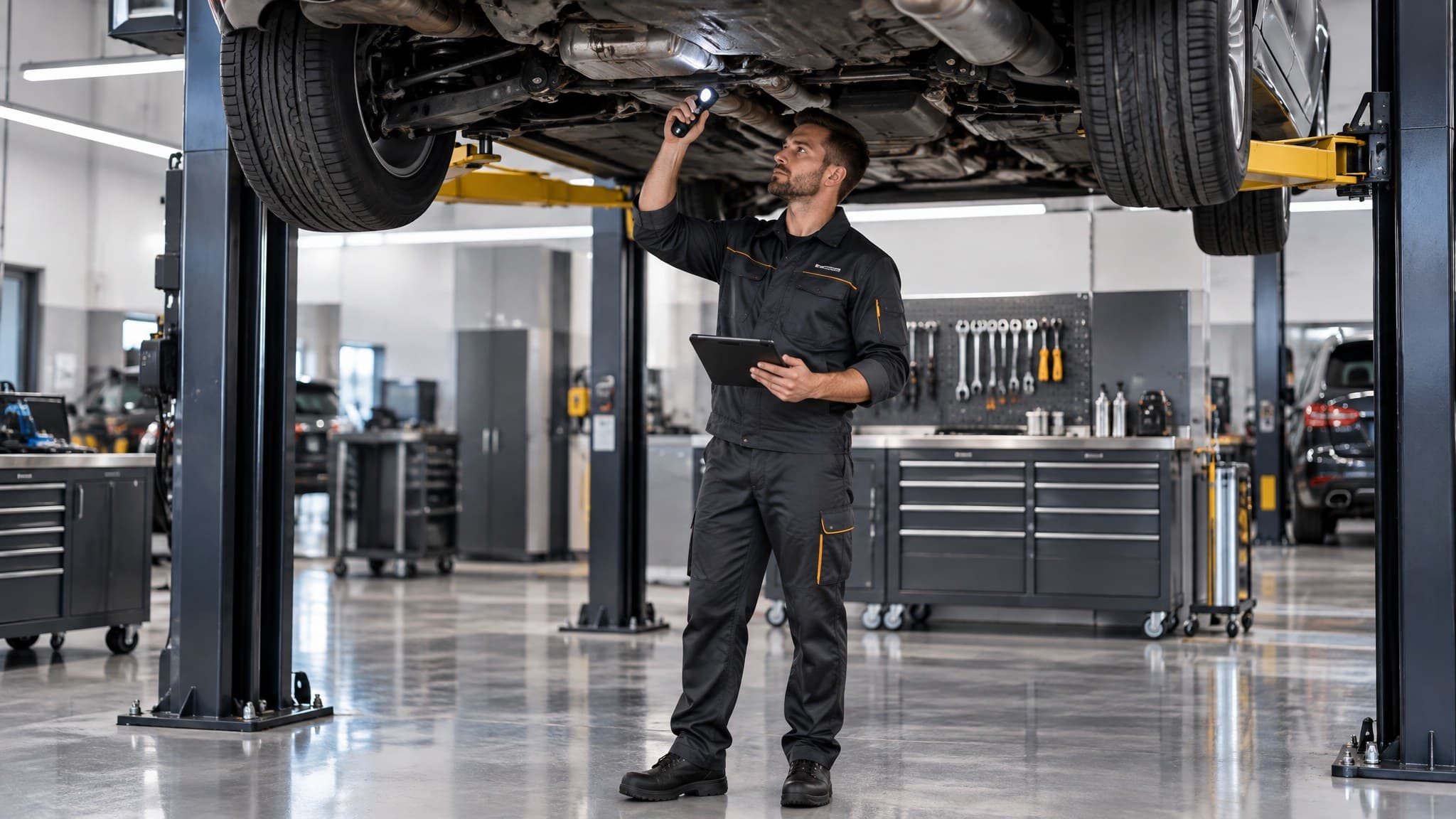
Regular tire rotations and proper wheel alignment can improve handling, support family safety, and help tires last longer. Learn what North Texas drivers should watch for on busy DFW roads.
Tires work hard in North Texas. Daily commutes on I-20, I-30, I-35, and 635 expose them to heavy traffic, construction zones, potholes, rough pavement, and sudden stops. Add summer heat and long highway trips, and uneven tire wear can develop faster than many drivers expect. Understanding tire rotation and wheel alignment helps you protect tire life, maintain predictable handling, and keep your family safer on DFW roads.
Tire Rotation and Wheel Alignment Are Different Services
A tire rotation moves tires from one position on the vehicle to another according to an appropriate pattern. Because front and rear tires often carry different loads and handle different forces, they may not wear at the same rate. Rotation promotes more even tread wear across all four tires.
A wheel alignment adjusts suspension angles so the wheels point in the proper direction and meet the road as intended. Alignment does not involve moving tires between positions. Instead, a technician measures angles such as toe, camber, and caster, then makes adjustments when the vehicle design allows.
Rotation helps manage normal tire wear. Alignment corrects wheel and suspension angles. Some vehicles need one service without needing the other.
How Often Should North Texas Drivers Rotate Tires?
Many automakers recommend rotating tires about every 5,000 to 7,500 miles, but the correct interval for your vehicle is listed in the owner’s manual. Tire type, drivetrain, driving habits, and road conditions can change the schedule. Frequent stop-and-go travel through Arlington, Duncanville, or Mesquite may contribute to faster or less even wear.
It can be convenient to review tire condition when you schedule an oil change. At Lube Masters, every oil change includes a FREE 21-point whole-car inspection. This added check supports our do-it-right mission by helping identify visible tire wear and other maintenance concerns before they become larger safety issues. It is not a substitute for a dedicated alignment measurement when symptoms are present.
Common Signs Your Vehicle May Need an Alignment
Alignment can change after striking a pothole, clipping a curb, or driving repeatedly over damaged pavement. Worn or damaged steering and suspension parts can also affect alignment. Schedule an inspection if you notice any of these warning signs:
- The vehicle pulls or drifts to one side on a reasonably level road.
- The steering wheel sits off-center while the vehicle travels straight.
- One edge of a tire wears faster than the other edge.
- Tread develops feathered, cupped, or otherwise unusual wear patterns.
- Steering feels less stable after a pothole impact or curb strike.
- New tires begin showing uneven wear sooner than expected.
Road slope, wind, tire pressure, or a tire problem can sometimes feel like an alignment issue. A trustworthy diagnosis matters because adjusting alignment will not repair a damaged tire or worn suspension component. If your vehicle pulls, vibrates, or handles differently, Lube Masters can help evaluate the concern through professional auto repair service.
Why Rotation and Alignment Matter in DFW
Even tread helps tires maintain consistent contact with the road during braking, cornering, and wet-weather driving. Proper alignment supports stable steering and can prevent a tire from being scrubbed across the pavement at the wrong angle. Together, timely rotation and alignment service may extend tire life and reduce the chance that you will need to replace tires early.
Heat also deserves attention. Hot North Texas pavement raises tire temperatures, while underinflation creates additional flex and heat buildup. Check tire pressure when the tires are cold and use the pressure listed on the driver’s door-jamb label, not the maximum number molded into the tire sidewall.
Simple Tire Habits for Safer Family Travel
- Check tire pressure at least monthly and before longer highway trips.
- Look for cuts, bulges, exposed cords, nails, and irregular tread wear.
- Follow the vehicle manufacturer’s rotation interval and recommended pattern.
- Have alignment checked after a hard pothole impact or when steering changes.
- Keep rotation and alignment records to help track developing wear patterns.
- Replace tires that are damaged, excessively worn, or too old for safe service.
Get Trusted Tire Guidance at Lube Masters
Whether your commute follows I-20 through Arlington, I-35 near Duncanville, or I-30 toward Mesquite, Lube Masters is committed to helping you care for the whole vehicle. Our team focuses on honest recommendations, family safety, and completing work correctly. Walk-ins are always welcome, or you can book your visit at a convenient time.
Remember: every Lube Masters oil change includes a FREE 21-point whole-car inspection, giving you a practical opportunity to stay informed about visible tire wear and other important vehicle systems.